Need help buying property in northern Italy and want professional representation?
I’m Manuela Rumsey, US-trained lawyer and licensed, fluent-English-speaking real estate agent in Vicenza.
Buying property - differences between Italy and US
Would you trust your car to a mechanic who didn’t have any professional training or certification? Of course not.
Besides being very dangerous...
you would be spending money without getting the professional service that you expect and paid for. That’s exactly why you should only trust a licensed, professional, English-speaking real estate agent with your property search in Italy. It may seem like it goes without saying, but unlicensed real estate agents are, unfortunately, a widespread phenomenon in Italy. They often refer to themselves as “property finders” and “consultants.” But it make no difference what label they use.
Anyone without a valid real estate license in Italy who provides information on the basis of which a client may decide to buy, sell or rent real property is acting illegally. Engaging in real estate activities in Italy illegally is punishable by fines and even jail time. Unlicensed agents do not have the proper training and are not insured. And they are not allowed to earn commissions. Don’t trust your property search to just anyone. Get a licensed, professional, English-speaking real estate agent to help you.
Buying property - differences between Italy and US
Buying property in Italy is a lot like shopping at a store. If one store doesn’t have what you want, you go on to the next until you find it. And this quite often means...
that you have to go to a lot of different real estate agencies, which, in Italy, tend to be small individually owned businesses that operate independently of each other. If you live overseas and don’t speak Italian, visiting multiple agencies in person can be really difficult. The agencies may not have anyone who speaks English fluently enough to converse with you. And even if they do, they generally need lead time to schedule visits. If you call in advance of your trip and ask to see their listings, they may not return your calls because you’re overseas and they don’t know if you are a serious buyer. In short, it’s a hassle.
That is why you need a professional, licensed, English-speaking realtor in Italy to act as your agent. I will work with you to identify the types of property that satisfy your criteria and your budget, advise you on what is available, and be your boots on the ground. That means contacting listing agents for you and scheduling visits, accompanying you to see the property and representing you throughout the entire purchase transaction.
Flexibility is your superpower
Looking for a property to buy in Italy is a lot like running a marathon. The more prepared and focused you are for the long run...
the more likely you will finish the race. And as with any race, you have to expect the unexpected. That is why flexibility is your superpower. Adjusting your geographic range, your criteria and your budget gives you more options. For example, you may begin your search with your heart set on an apartment on Capri or Lake Como with a view. But the properties you see need expensive updating. You have several options. Increase your budget if you can afford it and forego the view. You can also consider other locations like the islands of Ischia and Elba instead of Capri or nearby Lake Maggiore instead of Lake Como, which are not as well known but just as lovely.
Knowing what you’re looking for is essential to a successful property search in Italy. Flexibility will help you find it—and a licensed, professional English-speaking real estate agent.
Codice fiscale - Italian taxpayer ID code
The key to unlock the door to your life in Italy is a codice fiscale. The codice fiscale is a 16-digit, alphanumeric, taxpayer-identification code...
issued by the Italian tax authority. You cannot buy a house, open a bank account or get access to other services that are essential to everyday living in Italy without a codice fiscale. To receive your codice fiscale you must request it from the Agenzia delle entrate, Italy’s IRS. You can make an appointment at a local office of the Agenzia delle entrate and go in person. You may also have someone else, such as an accountant or a notaio, request for you.
Vacation or permanent home?
Whether you dream of owning a vacation home in a resort area or a permanent home to live year round somewhere with less tourism, the benefits of owning a home in Italy are many...
You can enjoy your home whenever you want for as long as you want, no reservations or security deposit is required. Both vacation and permanent homes have their respective advantages. And that can make a challenge to decide which kind of home in Italy is right for you.
If you are debating between buying a vacation home or a permanent home (or considering a vacation home that later becomes your permanent home), here are three things to consider that may help you decide.
Transportation. How are you going to get around? This simple everyday reality is easily overlooked even though it deserves thorough consideration. If you buy a vacation home and stay in it for relatively short periods, you can rent a car in Italy and drive on your foreign drivers license. This gives you the freedom to live in places in Italy that don’t have frequent train or bus service.
That’s fine when it’s temporary.
But as a long-term solution, it’s more complicated. You can only drive on your foreign drivers license in Italy for one year. After that you must have an Italian drivers license or risk stiff fines and even having your car impounded. Moreover, you cannot own a car in Italy unless you have acquired your residenza, which can often take months to receive. These restrictions can make it especially difficult to live year round in an area with limited public transportation like an island or a beach town in the off season. Think all the way through your everyday transportation needs before you begin your property search in Italy. They can make a big difference.
Taxes. In deciding whether to purchase a vacation home or a permanent home in Italy, you should also consider the potential tax consequences. Residents in Italy enjoy certain tax advantages over non residents. If the property is not a luxury property, is the only property you own in Italy, the seller is a private party (not a builder) and you are a resident (i.e. registered as a resident with the vital records office of your municipality in Italy); you pay two percent (2%) property sales tax on your purchase. If you purchase instead as a non resident, you pay nine percent (9%) in property sales tax.
Non residents also pay IMU, the yearly tax on their Italian property, whereas residents who own only one (non-luxury) property in Italy do not. Rental income is also taxed differently for residents and non residents.
Of course, living in Italy as a resident has other tax consequences that could significantly influence your decision to buy property here. You should consult a professional Italian tax expert to understand how owning property in Italy would affect your tax situation.
Exit strategy. Your exit strategy—i.e. how you want to dispose of the property eventually, may also influence your decision which type of home to buy in Italy. Are you looking for an investment property primarily to rent out and then sell after a few years? In that case, property located in or conveniently near touristed areas with higher turnover like Venice or Florence may have a better capitalisation rate and generally be easier to resell.
If, on the other hand, you plan to own the home long term and pass the property to your heirs, property with a high capitalisation rate and quick resale potential may be less important than proximity to public transportation and hospitals.
Renovating your home in Italy
After you sign on the dotted line and become owner of your new home in Italy, you may be anxious to begin renovating it immediately. You have been waiting patiently and now...
you finally have the keys. But hold on a minute. There is something you should do before you renovate. Get a geometra to physically inspect the property and compare it to the floor plan attached to your sale contract and to the most recent floor plan on file with the local planning department. The property and both floor plans should all match.
If they do, you can move forward with the renovation. But if instead the geometra discovers material discrepancies between the floor plans and the property, you may have paid too much for it. The seller should have resolved the discrepancies before the sale. And now you may have to pay the administrative fines necessary to correct them before you are allowed to renovate. So before you do anything to the property, make sure that everything matches.
Real Estate Agents in Italy
Real estate proposals
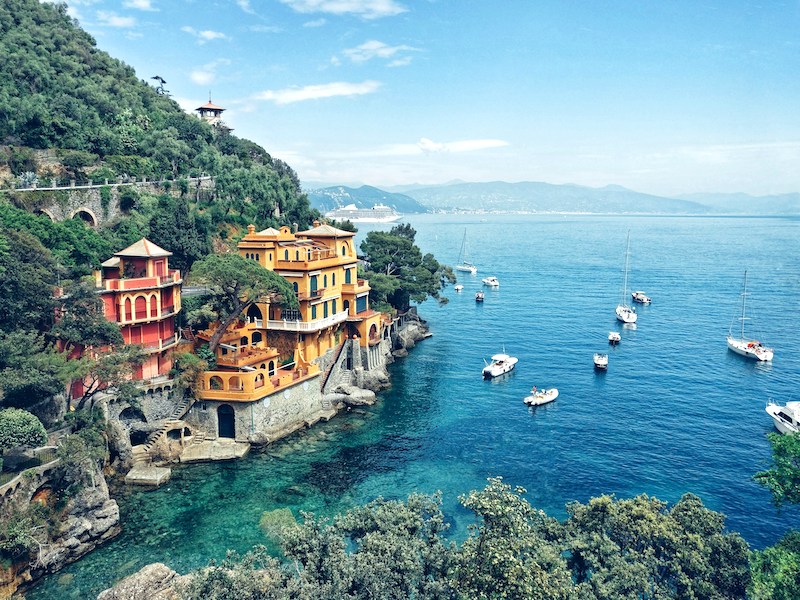
Cliffside houses overlooking the Ligurian coastline.
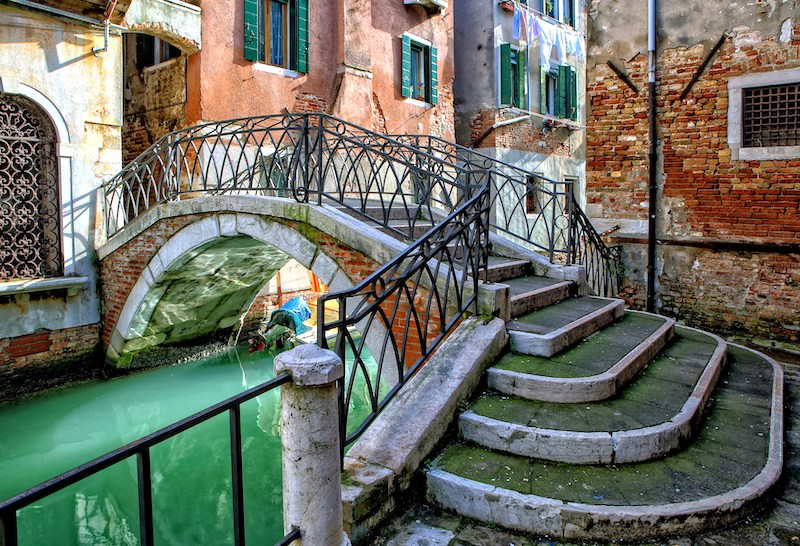
Quaint apartments in Venice overlooking the canals.
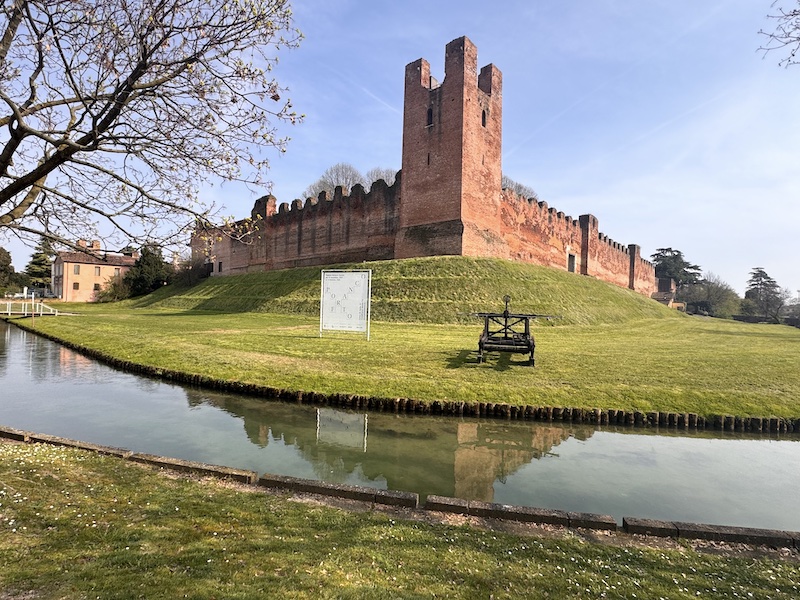
Ancient landmarks and properties for sale in medieval towns in northern Italy.
Get in touch
Feel free to phone or write me if you are interested in a property or more information about buying a home in Italy.